照片來源 Aslı Yaren Peker
Gold has captivated humanity for thousands of years, not only for its beauty, but for what it represents. Across ancient civilizations, gold jewellery became one of the clearest ways to display wealth, power, and social standing.
Long before luxury branding or designer fashion, the amount of gold a person could wear was often a direct reflection of their status. The heavier the jewellery, the greater the perceived wealth. In many cultures, substantial gold jewellery was more than decoration. It functioned as a visible display of wealth and status.
Although styles and cultural traditions have evolved, gold jewellery continues to be associated with wealth, quality, and lasting value.
Why Gold Became the Ultimate Symbol of Wealth
Gold possesses unique physical properties that made it especially prized throughout history. It is dense, durable, and naturally resistant to tarnish or corrosion. Unlike many other metals, gold maintains its appearance for generations, which helped establish it as a symbol of permanence and stability.
Its density also gave gold jewellery a distinctive feel. A solid gold piece carries noticeable weight, particularly in higher purities like 22K or 24K gold. Historically, this physical heaviness became part of the appeal. Wearing large gold earrings or thick gold adornments was an unmistakable display of wealth and status.
Because pure gold is soft and malleable, ancient goldsmiths were able to shape it into elaborate hoops, discs, and ornamental designs while still preserving substantial precious metal content. In many societies, the purity of the gold mattered just as much as the size of the jewellery itself.
Ancient Civilizations and the Rise of Gold Jewellery
Mesopotamia and Ancient Egypt
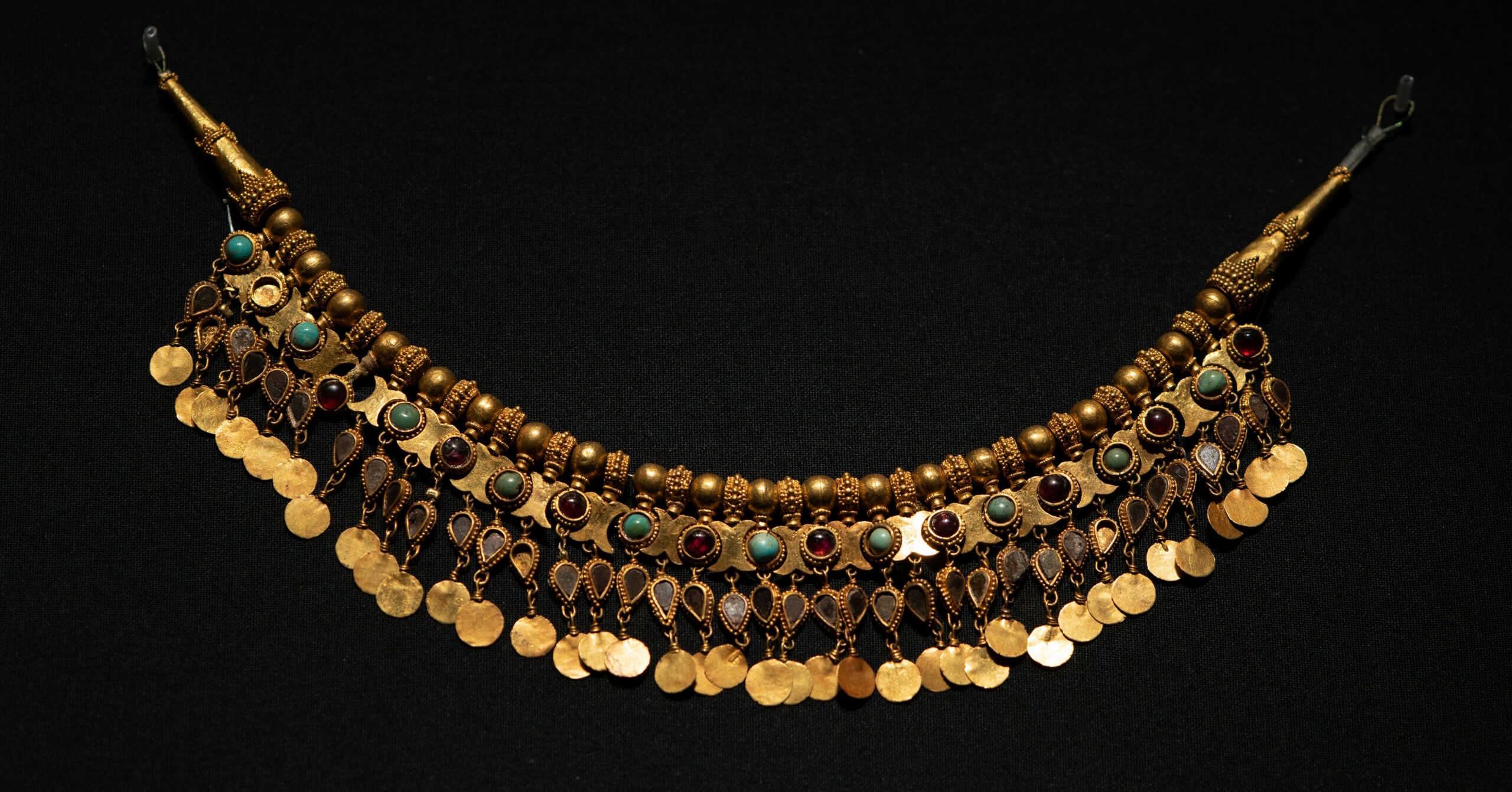
Some of the earliest known gold earrings date back to Mesopotamia, around 3000 BCE. Gold jewellery was reserved primarily for royalty and the elite, often buried alongside rulers in elaborate tombs.
In Ancient Egypt, gold was associated with divinity and immortality. Egyptians referred to gold as the “flesh of the gods” and pharaohs adorned themselves with substantial gold jewellery to symbolize their connection to divine power. Tomb discoveries, including those of Tutankhamun, revealed intricate gold earrings, collars, and ceremonial ornaments designed to showcase immense wealth and status.
Greece, Rome, and Gold as Status
As goldsmithing techniques evolved, civilizations such as the Greeks, Etruscans, and Romans embraced increasingly elaborate gold jewellery designs. Roman elites became particularly known for oversized gold earrings and heavy gold accessories that symbolized wealth, prestige, and social standing.
Historical accounts occasionally criticized the trend, describing how some wealthy individuals openly displayed their fortunes through jewellery and personal adornment. Beyond fashion, gold jewellery also functioned as portable wealth. Sailors, merchants, and soldiers could trade gold pieces almost anywhere, making jewellery both practical and prestigious.
The Cultural Significance of Gold in India
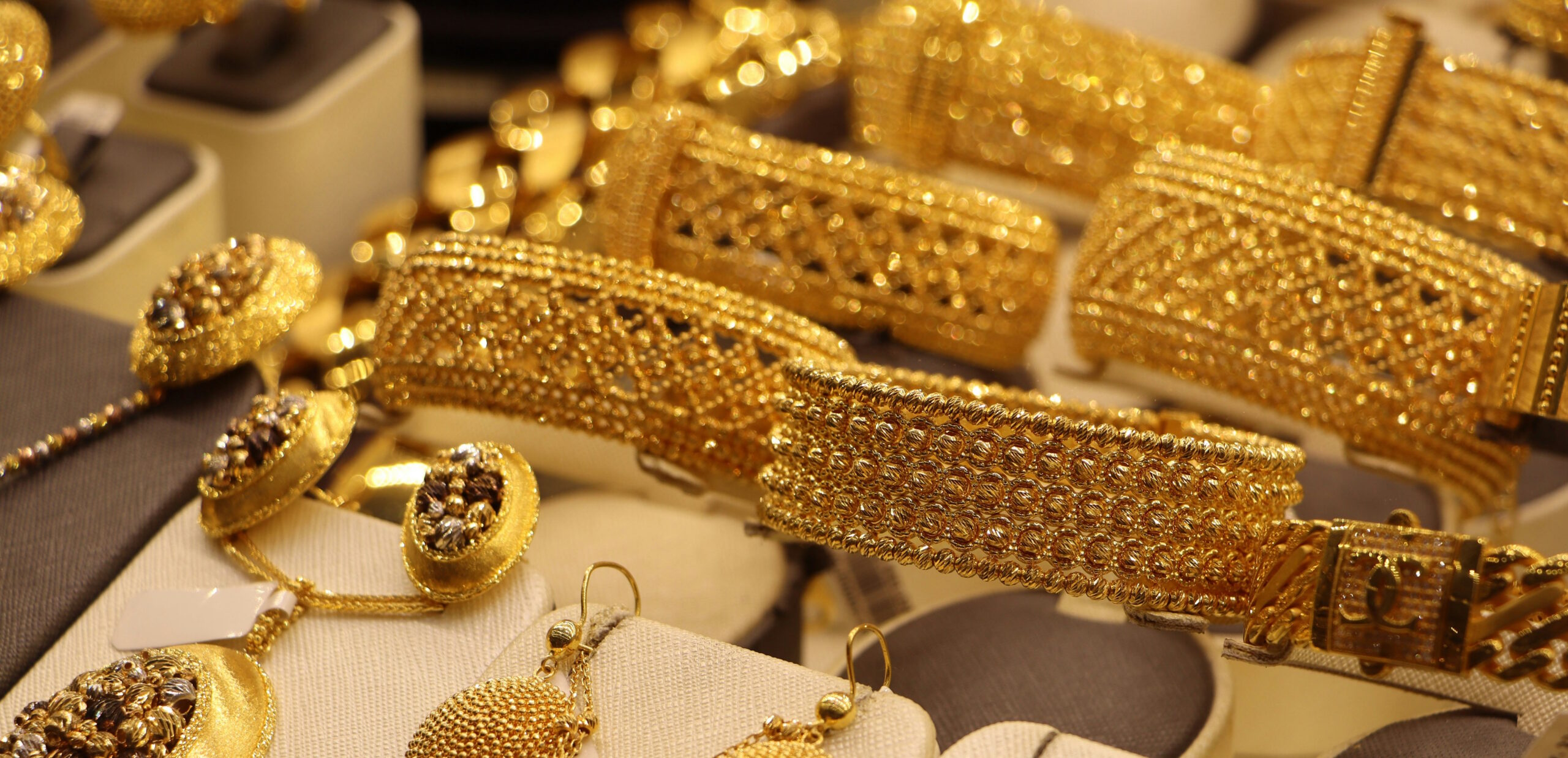
Gold jewellery remains deeply woven into cultural traditions throughout India, where high-karat gold pieces continue to symbolize prosperity, celebration, and financial security. Heavy gold earrings, bangles, and bridal jewellery are often passed down through generations as family wealth.
In many households, gold jewellery serves both decorative and practical purposes. It represents cultural heritage while also acting as a tangible asset that retains value over time.
Gold Jewellery in West African Traditions
Across parts of West Africa, large gold earrings and ornaments became powerful symbols of nobility and status. In several West African societies, the size and weight of gold jewellery often reflected social standing, family wealth, and regional traditions.
In these cultures, gold jewellery frequently formed part of dowries, inheritances, and long-term wealth preservation. Gold was not simply fashion. It was security that could be worn openly and passed on to future generations.
Gold Jewellery as Wearable Wealth

照片來源 Liam Li
Although modern jewellery trends may differ from those of ancient civilizations, many people still appreciate substantial gold pieces for the same reasons their ancestors did. The weight, purity, and feel of genuine gold continue to signal quality and lasting value.
Gold jewellery also remains unique because it combines beauty with intrinsic worth. Unlike many fashion accessories, gold can retain resale value based on its purity and weight. In uncertain economic periods, many individuals view gold jewellery as both a personal item and a form of financial security.
The Lasting Legacy of Gold’s Weight
Throughout history, the weight of gold jewellery often mirrored the weight of one’s status. From ancient Egyptian royalty to Roman elites and generations of families across India, West Africa, and beyond, gold served as a visible declaration of prosperity, permanence, and prestige.
While styles have evolved, the enduring appeal of gold remains remarkably consistent. Genuine gold jewellery still carries a sense of substance, history, and value that few materials can replicate.
If you have unwanted, broken, outdated, or inherited gold jewellery, those pieces may hold more value than you realize. At Canada Gold, our team helps customers evaluate gold jewellery based on purity, weight, and current market prices in a professional and transparent environment.
You can also view current gold prices anytime through our live pricing page.