Understanding Purity and Karats in Gold
If you have ever looked closely at a piece of jewellery, you may have noticed a tiny stamp that says 10K, 14K or 18K.
These markings tell you how much gold is actually in the piece. Understanding what they mean can help explain why some jewellery has a higher value than others. It also helps answer one of the most common questions we hear in our stores:
“What does this stamp actually mean?”
Let’s break it down.
What Does Karat Mean?
“Karat” refers to the percentage of pure gold in a piece of jewellery.
Pure gold is 24 karat gold, which means it is almost entirely gold. While that sounds ideal, pure gold is actually very soft. It bends easily and scratches quickly, which makes it less practical for everyday jewellery.
To make gold strong enough for rings, chains and bracelets, jewellers mix it with other metals such as silver, copper or nickel. This mixture is called an alloy.
The karat number simply tells you how much gold is in that mixture.
Gold Purity Breakdown
10K Gold
Contains 41.7 percent gold.
The rest is made up of other metals that increase strength and durability.
14K Gold
Contains 58.3 percent gold.
This is the most common gold purity used in jewellery across Canada and the United States. It offers a good balance between durability and gold content, which is why you will see it so often.
18K Gold
Contains 75 percent gold.
It has a richer gold colour but is softer than lower karat jewellery, so it is often used in higher-end or designer pieces.
Why Jewellery Uses Gold Alloys
If jewellery were made from pure gold, it would bend and wear down quickly.
By mixing gold with other metals, jewellers can create pieces that are much more durable for everyday wear. This is especially important for items like rings and chains that are worn regularly.
Different metal mixtures can also change the colour of gold. For example:
White gold is created by blending gold with metals like nickel or palladium.
Rose gold is created by adding copper, which gives the metal its warm pink tone.
So when you see different shades of gold jewellery, it often reflects the alloy used, not just the gold itself.
Does Higher Karat Always Mean Higher Value?
In general, jewellery with a higher karat contains more gold, which means it contains more precious metal.
However, the value of a piece depends on several factors, including:
- the weight of the item
- the gold purity
- the current market price of gold
- the condition of the jewellery
Two rings that are both 14K gold, for example, may have very different values if one weighs significantly more than the other.
This is why weighing the item accurately is such an important part of the evaluation process.
Which Gold Purity Is Most Common in Canada?
In Canada and the United States, 14K gold is the most common purity for jewellery. It offers a practical balance between strength and gold content.
You will also see a lot of 10K jewellery, particularly in older pieces or everyday items.
Higher purity jewellery such as 18K is more common in certain designer pieces or jewellery made in Europe or Asia, where higher gold content is often preferred.
Finding the Karat Mark
Most gold jewellery has a small stamp indicating its purity. These marks are often found:
- inside rings
- on necklace clasps
- on the back of pendants
- on bracelet links
Common stamps include:
- 10K
- 14K
- 18K
- 585 (which means 14K gold)
- 750 (which means 18K gold)
If a mark is missing or difficult to read, professional testing can determine the gold content.
Curious About the Value of Your Jewellery?
Many people bring us jewellery they no longer wear, pieces they inherited or items they found tucked away in a drawer and wonder: Is this actually gold?
At Canada Gold, we test jewellery and scrap gold using professional methods and explain exactly what we are seeing so you understand how the value is determined. We believe customers should be able to see the process and feel confident in the result.
You are always welcome to bring your items in for a free evaluation and conversation. There is no pressure to sell. Our goal is simply to help you understand what you have and what your options are.
What If Your Item Isn’t Listed on Our Website?
Another question we hear quite often is:
“Do you only buy the types of gold listed online?”
The short answer is no.
At Canada Gold, our team is equipped to test a wide range of jewellery and scrap precious metals. If we can accurately verify the purity and weigh the item, we can usually make an offer on the spot.
This includes:
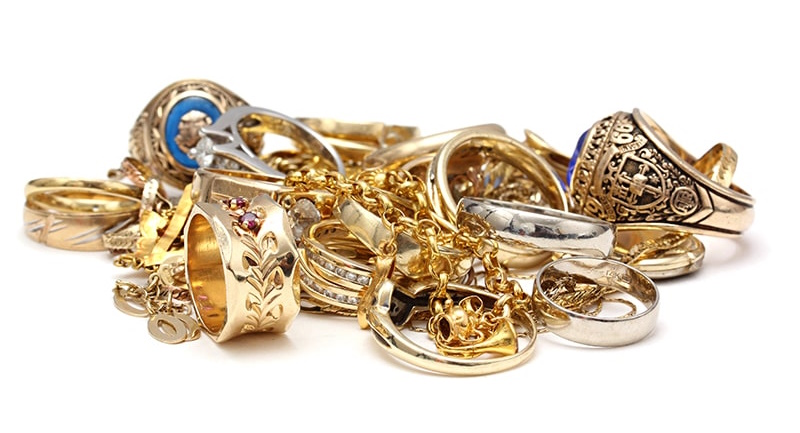
- broken or tangled jewellery
- mismatched earrings
- old chains or bracelets
- dental gold
- scrap gold from past projects
- unusual or one-of-a-kind items
From time to time, customers bring in items that are not specifically listed on our website. As long as we can properly test the material and confirm its composition, we will do our best to evaluate it and explain your options clearly.
Our focus is always the same:
Accuracy. Transparency. Respect for your time.
You will see exactly how your items are tested, how they are weighed and how the value is calculated. If the item contains precious metal and we can verify its purity, we will provide a clear offer before you leave the store.
And if we are not able to test or purchase something, we will explain why and help point you in the right direction whenever possible.