Why Old Sterling Silver Flatware Might Be Worth More Than You Think
If you have a drawer, box or cabinet full of old silver flatware that never sees the table, you are not alone.
With silver prices reaching record highs, many Canadians are taking a second look at items they already own. We are seeing more customers sorting through family homes, inherited collections and long forgotten storage bins to find silver they are no longer using. One of the most common discoveries is sterling silver flatware.
If you are wondering what to look for, the answer often comes down to three numbers: 925.
What Does 925 Mean on Silver Flatware?

You may not have expected a Dolly Parton reference on a precious metals website, but here we are.
Sterling silver is marked with 925, meaning the piece is 92.5 percent pure silver. The remaining 7.5 percent is typically copper, added to give the silver strength and durability.
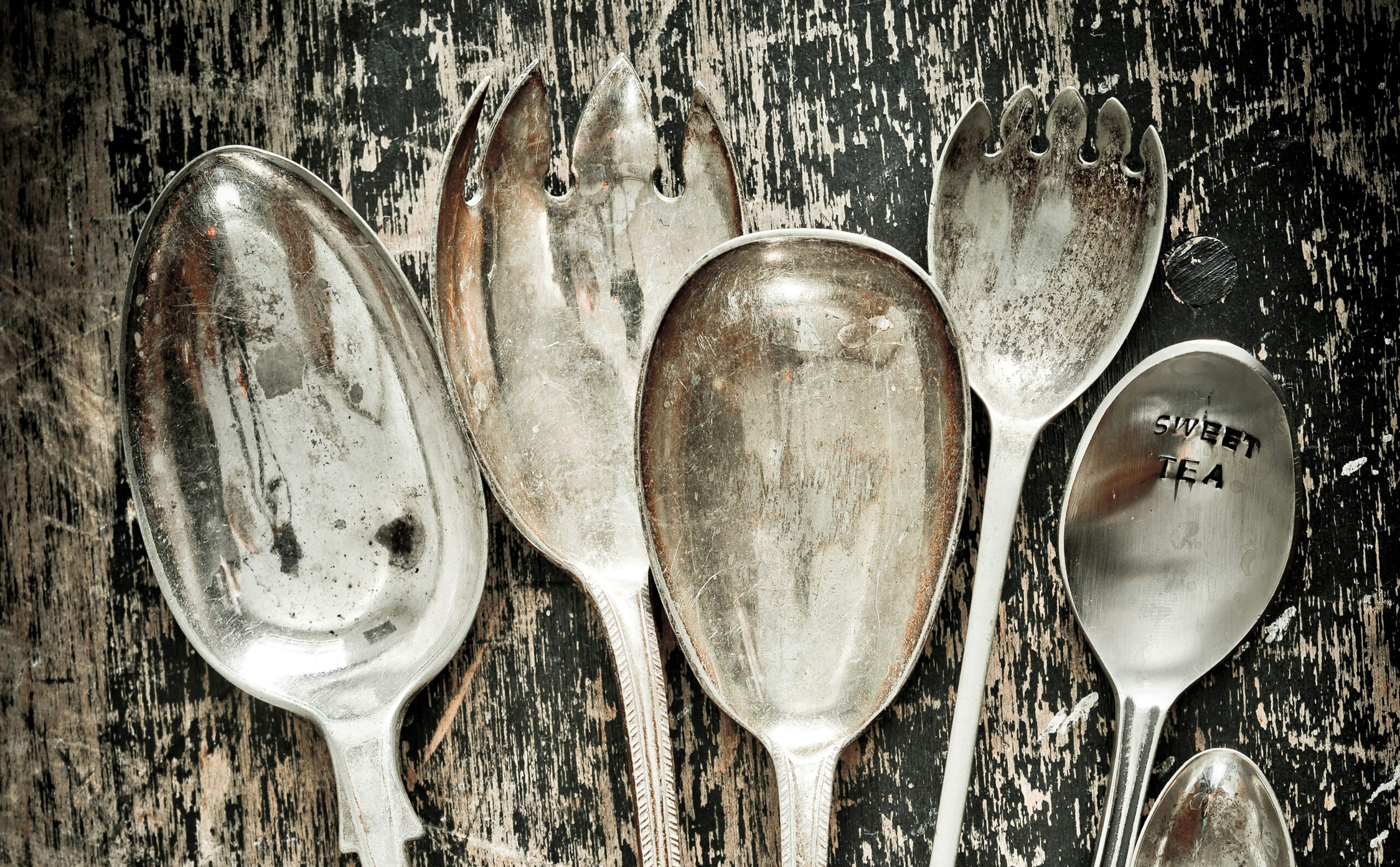
If you spot a 925 stamp on forks, spoons, knives or serving pieces, that is a strong indicator the item is solid sterling silver and not silver plated.
It is a small mark, but it makes a big difference in value.
Working 9 to 5, Meet 925
There is something poetic about it.
Sterling silver is stamped 925, which sounds a lot like working 9 to 5. And right now, with silver prices where they are, that silver sitting quietly in a drawer might finally be ready to put in some work.
We are hearing the same thing from many customers.
“I forgot we even had this.”
“No one uses formal silver anymore.”
“It just sits there and needs polishing.”
While polishing silver can be surprisingly satisfying, many people are finding it even more satisfying to learn what that silver is worth today.
Why More People Are Selling Silver Flatware Right Now
Silver flatware often carries sentimental value, but it is also one of the most overlooked sources of silver in Canadian homes.
Right now, customers are choosing to sell because:
- Silver prices are at historic highs
- Flatware sets are rarely used in modern households
- Inherited silver is often duplicated across families
- The value is tied to silver content, not fashion trends
Unlike collectibles where condition and style matter more, sterling silver flatware is valued primarily for its silver weight and purity. Scratches, dents and mismatched pieces are usually not a problem.
If it is sterling, it has value.
What About Silver Plated Flatware?
This is an important distinction.
Silver plated items are commonly marked with terms like EP, EPNS or simply “silver plate.” These pieces have a very thin layer of silver over a base metal and do not contain enough silver to hold melt value.
At Canada Gold, we are always happy to help you identify what you have. Many customers bring in a mix of sterling and plated pieces and are surprised by what turns out to be solid sterling silver.
What to Expect When You Bring in Silver Flatware
When you visit one of our locations, our team will:
- Examine stamps and markings
- Separate sterling from plated pieces
- Weigh the silver accurately
- Explain how pricing is calculated
- Answer questions with no pressure to sell
Transparency and education are central to how we work. Whether you are selling one spoon or an entire set, we take the time to walk through the process clearly.
A Different Kind of Fresh Start to the New Year
Selling unused silver flatware is not about getting rid of something. For many people, it is about converting an unused item into something more useful today.
Extra cash.
A home project.
Travel plans.
Or simply peace of mind knowing what you had and what it was worth.
The 925 stamp is often the clue people miss. Right now, it is also the reason many are surprised by what their silver is worth.
If you think you have sterling silver flatware at home, we invite you to bring it in and find out. No obligation, just clear answers.
Photo Courtesy of Margaret Jaszowska