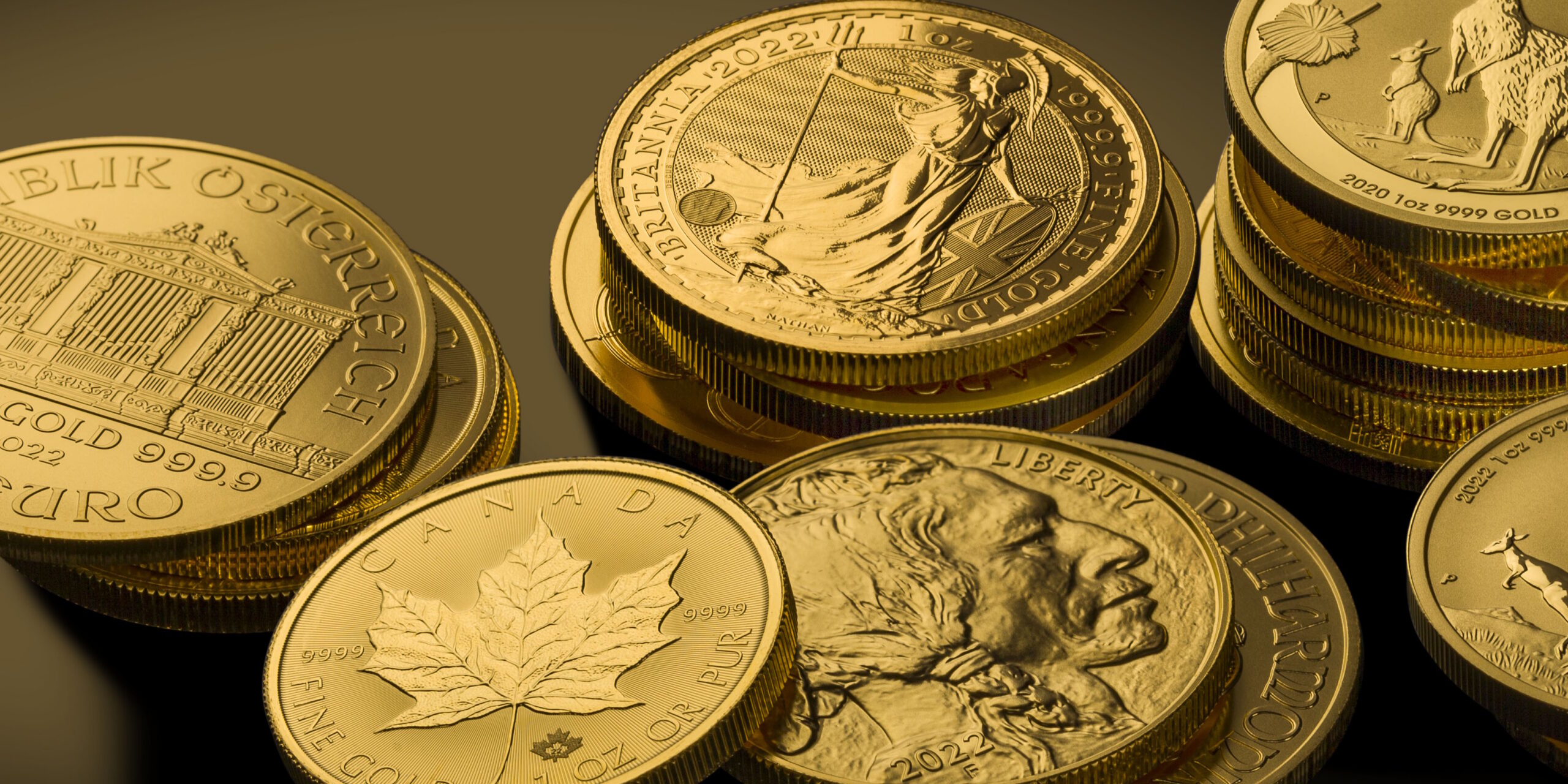
It’s a common assumption: if two gold or silver products contain the same amount of metal, they should cost the same.
In practice, that’s rarely the case.
Even within the world of pure bullion, pricing can vary noticeably between products of identical weight. A 1 oz silver coin from one mint may sell for more than another. A group of smaller bars can cost more, in total, than a single larger bar of the same combined weight.
These differences aren’t arbitrary. They reflect how the market values trust, efficiency, and flexibility when it comes time to buy or sell.
Recognition and Refinery Trust
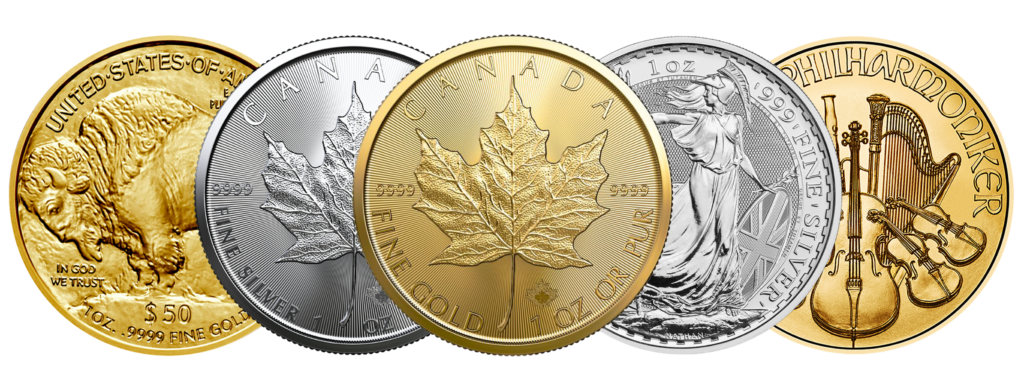
In bullion, the name stamped on the product matters.
Products from highly recognized issuers such as the Royal Canadian Mint or the United States Mint tend to trade at stronger premiums. The reason is straightforward: they are widely trusted and instantly recognizable.
When a buyer sees a familiar coin or bar, there is less need for additional verification. That confidence translates into liquidity, and liquidity supports pricing.
By comparison, bullion from lesser-known refineries or private mints can still be fully pure, but may trade at a slight discount. The metal content is the same, yet the level of immediate recognition is not.
Premiums Are About More Than Metal
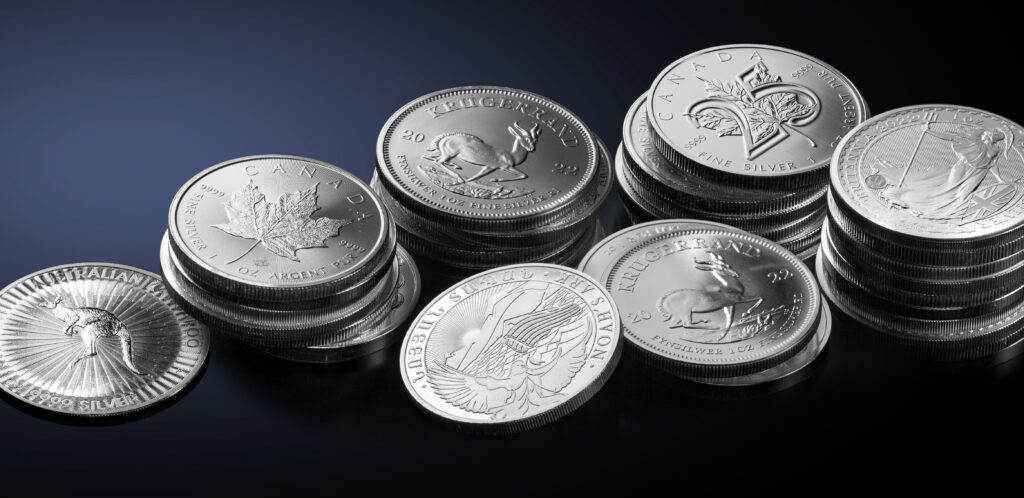
The global spot price tells you what gold or silver is worth in raw form. Physical bullion, however, always trades above that level.
That additional cost, often called the premium, reflects:
- Fabrication and distribution
- Market demand for specific products
- Brand strength and resale confidence
Two 1 oz silver coins can therefore have different premiums even though their silver content is identical. One may be easier to resell in any market condition, and that added convenience has value.
Why Size Changes the Price Per Ounce
The size of a bullion product has a direct impact on its pricing.
Smaller units, such as 1 oz bars or coins:
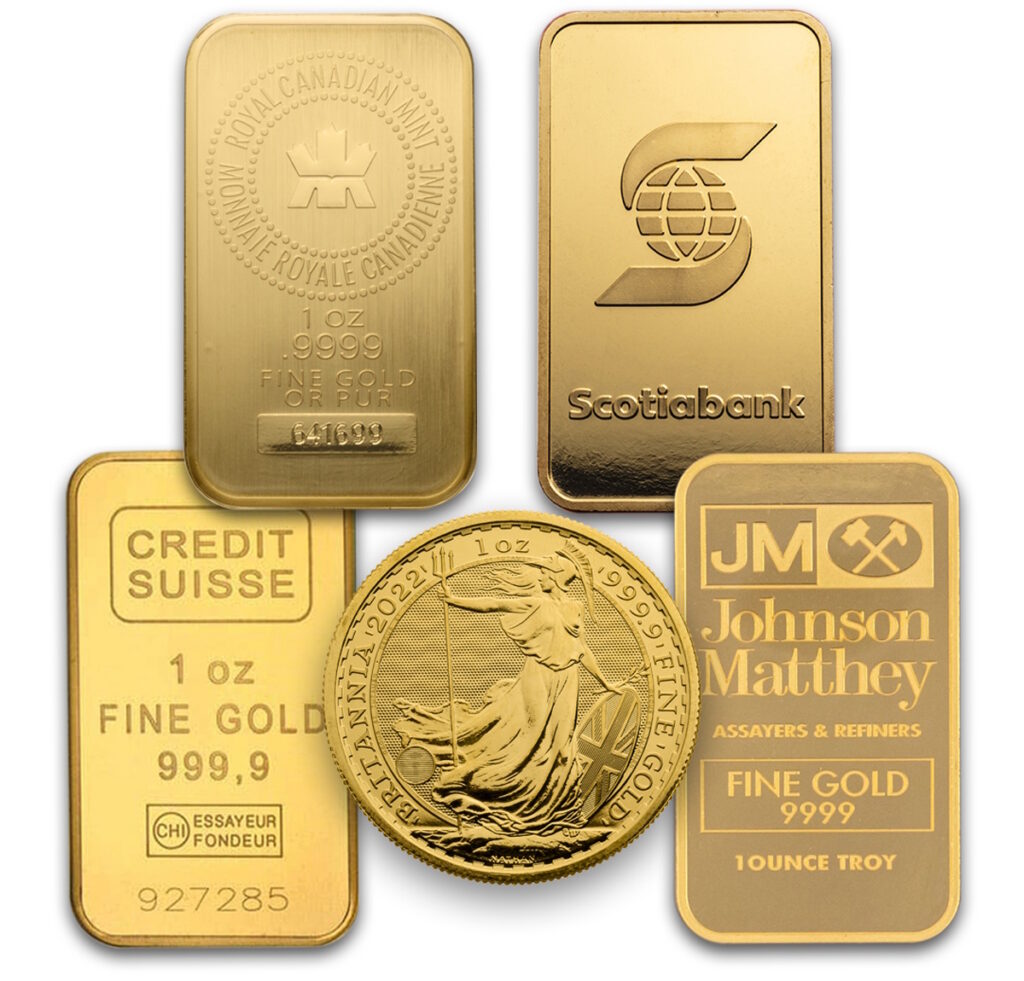
- Usually carry higher premiums per ounce
- Are easier to sell in portions
- Appeal to a broader range of buyers
Larger units, such as 10 oz or 100 oz bars:
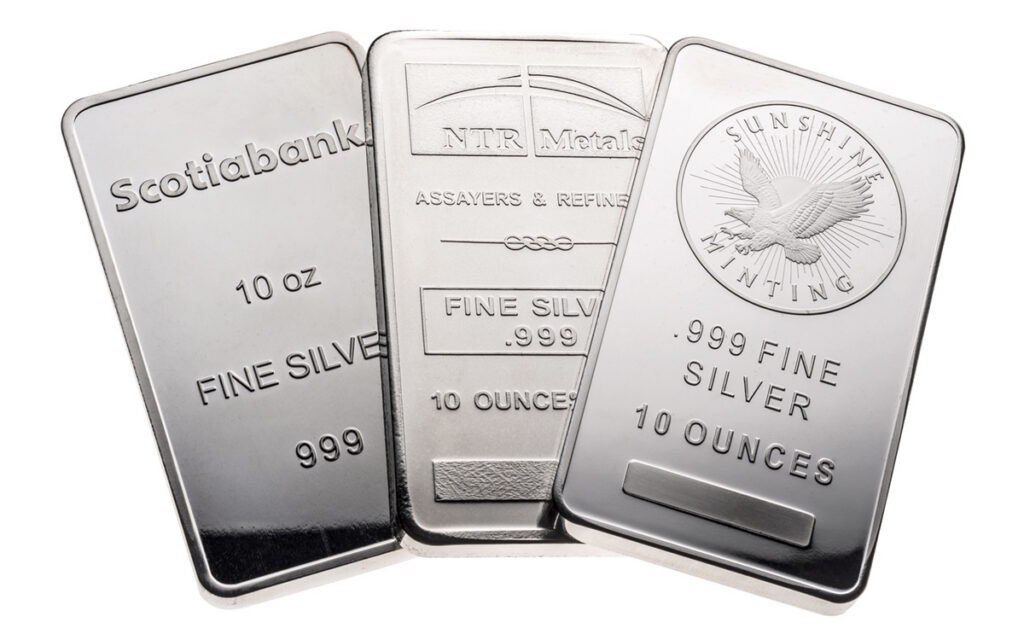
- Typically offer a lower cost per ounce
- Are more efficient for storing larger value in less space
- Are often chosen by buyers focused on accumulation
This is why ten 1 oz bars often cost more than a single 10 oz bar. You are not paying for more metal. You are paying for flexibility.
Flexibility vs Efficiency
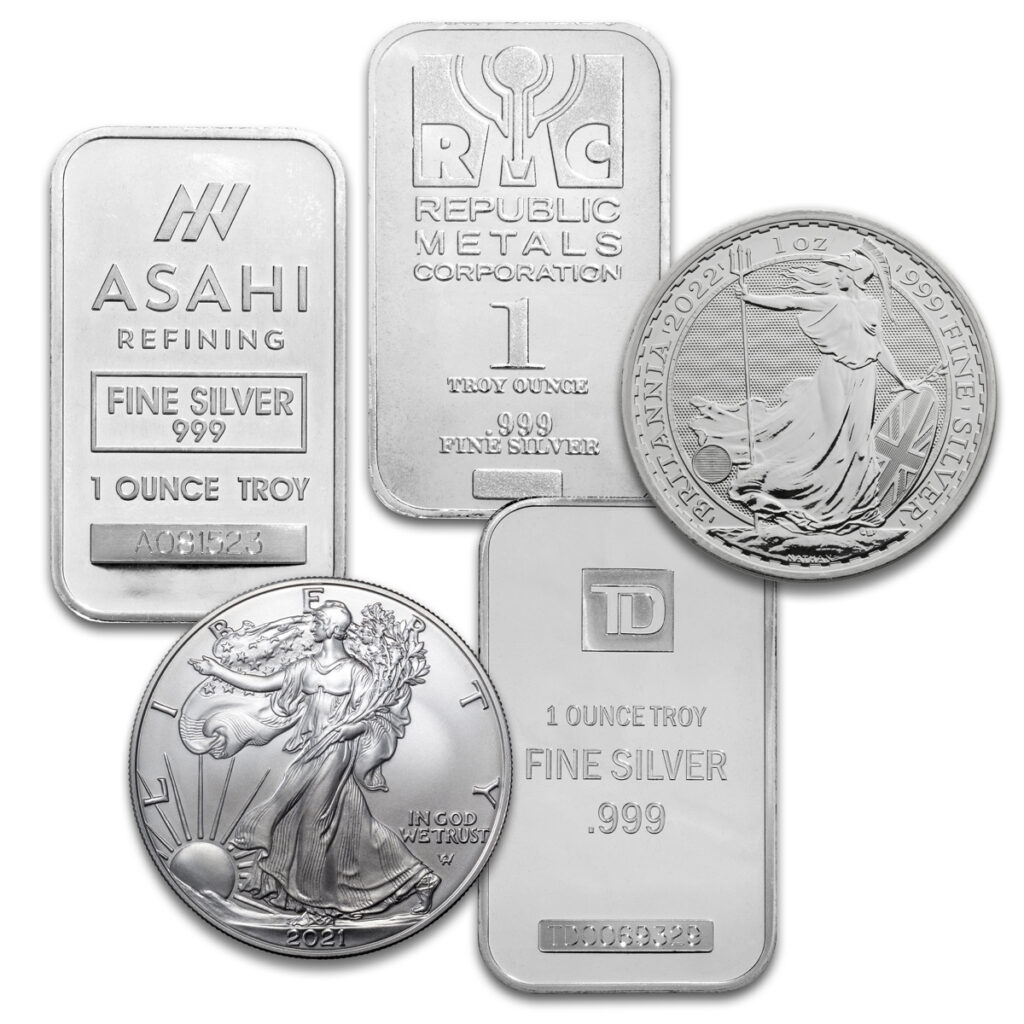
At the core of these pricing differences is a simple trade-off.
Smaller pieces provide flexibility. If you ever decide to sell, you can do so incrementally. You are not forced to liquidate your entire holding at once.
Larger bars provide efficiency. They reduce the premium paid upfront and simplify storage, but they are less adaptable when it comes time to sell.
Different buyers prioritize different outcomes, which is why both formats exist and continue to be in demand.
Liquidity Drives Real-World Value
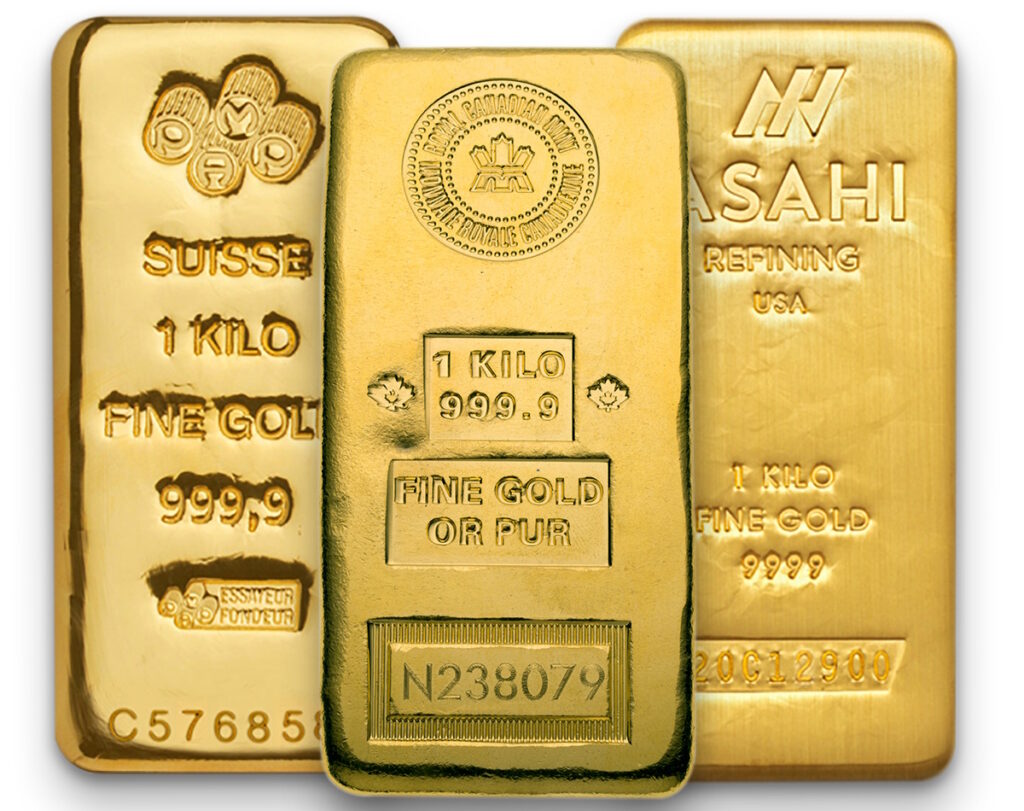
Liquidity, how easily something can be sold, plays a major role in bullion pricing.
Recognized products in smaller denominations tend to move quickly in the market. They are familiar, divisible, and accessible to more buyers.
Larger or less widely recognized items still hold their full metal value, but they may require a bit more effort to sell or a sharper price to move quickly.
This dynamic influences both the price you pay when buying and the price you can expect when selling.
Choosing the Right Bullion for Your Goals
There is no universal “best” bullion product. The right choice depends on what matters most to you.
- If you value ease of resale, widely recognized coins or small bars are often preferred
- If your focus is maximizing ounces for your budget, larger bars can offer better efficiency
- If you want control and flexibility, smaller units provide more options over time
Understanding these factors helps explain why equal weight does not always mean equal price.
The Takeaway
In bullion, weight is only part of the equation. Recognition, liquidity, and product size all influence how gold and silver are priced in the real world.
Once you look beyond the number of ounces, the differences become clear, and more importantly, they become useful when deciding how to buy and how to sell.