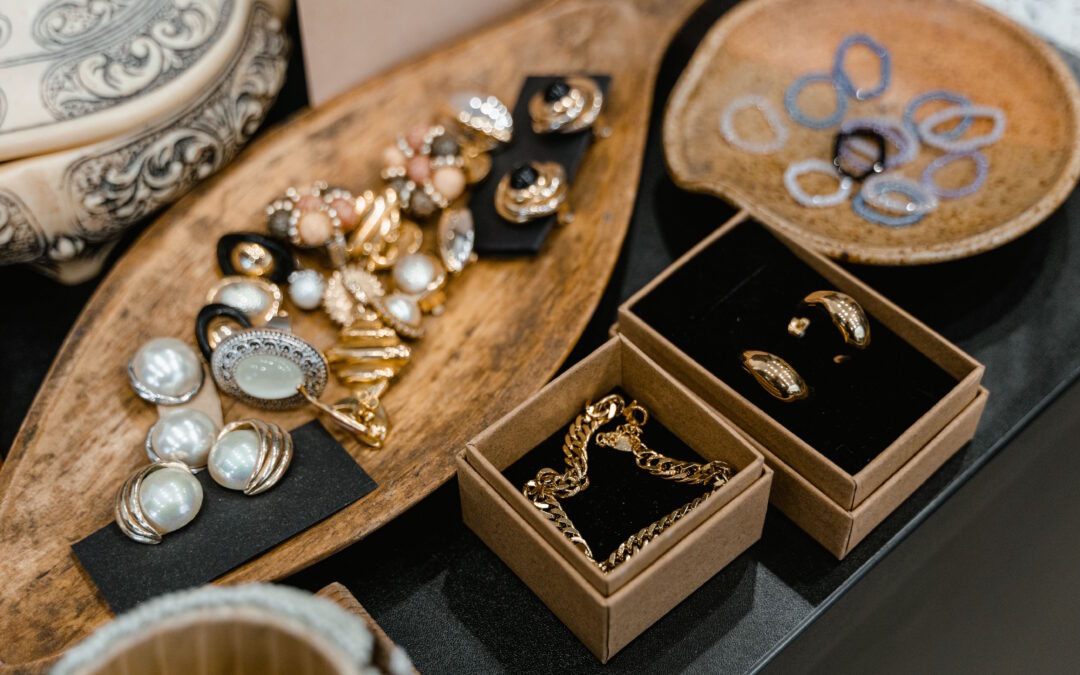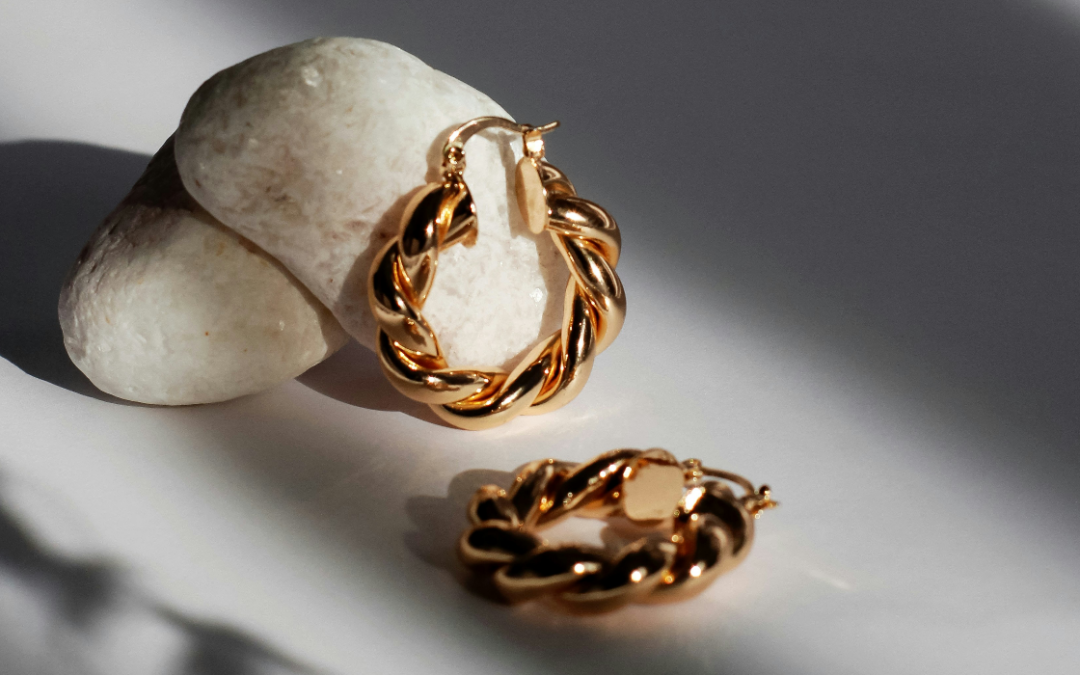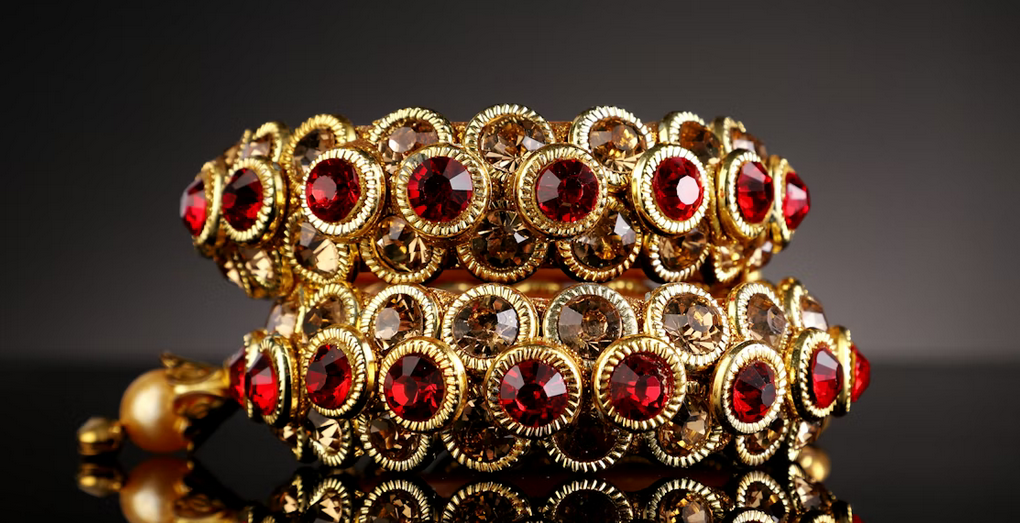
Old jewellery often ends up tucked away—out of sight, but not necessarily without value. With gold and silver continuing to draw attention, many people are starting to ask the same question: what are these pieces actually worth?
The answer isn’t always straightforward. Jewellery is evaluated based on a combination of factors, some more obvious than others.
This guide walks through the five main things that influence value, so you know what to expect before bringing your items into Canada Gold.
1. Gold Content Is the Biggest Factor
For most jewellery, value comes down to the amount of precious metal it contains.
This is determined by:
- The weight of the item
- The purity (karat, such as 10K, 14K, or 18K)
Higher karat gold contains more pure gold, which increases its value. During your visit, items are tested and weighed in front of you so you can see exactly how everything is assessed.
2. Market Prices Change Regularly
Gold and silver prices are tied to global markets and can move up or down throughout the day.
Because of this, the value of jewellery is always based on the current market at the time it is assessed. Even small changes in pricing can have an impact, which is why up-to-date evaluation is important when determining value.
3. Some Gemstones May Add Value
Gemstones are often assumed to significantly increase what jewellery is worth, but this depends on the type and quality of the stone.
In many cases, smaller accent stones do not contribute additional value in a standard evaluation.
Larger or higher-quality stones may be considered more closely. For example:
- Diamonds around 0.40 carats or larger
- Coloured gemstones such as rubies, sapphires, or emeralds around 1.00 carat or more
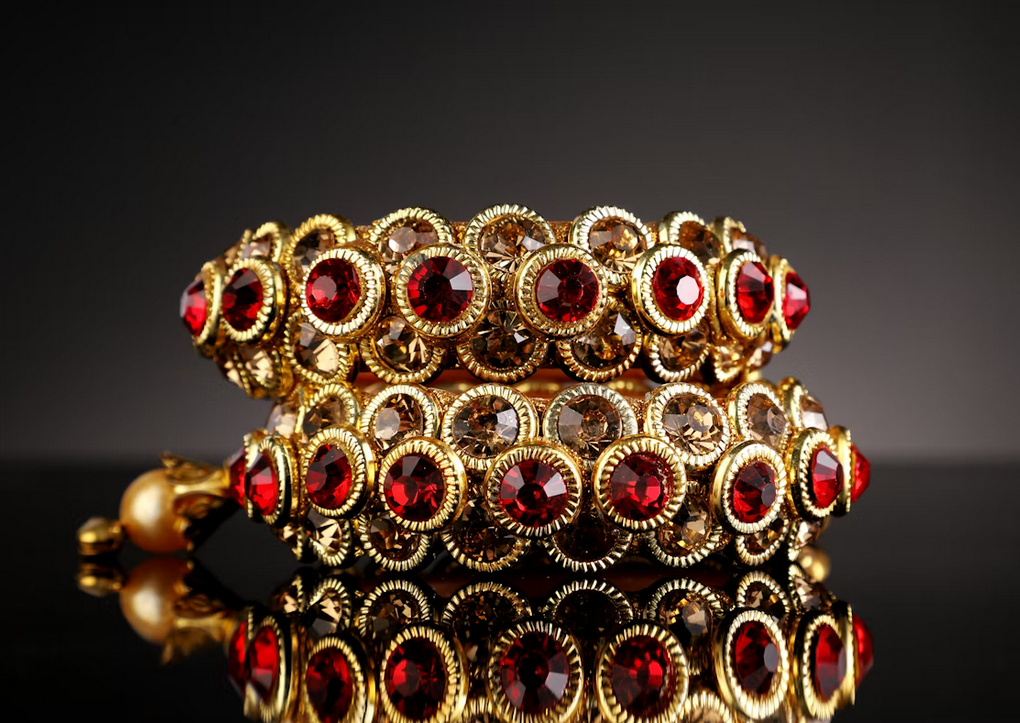
Whether a stone adds value depends on factors like size, quality, and current demand. Each piece is assessed individually.
4. Brand and Craftsmanship Can Make a Difference
Some jewellery may carry value beyond its metal content. Recognizable brands, vintage pieces, or well-crafted designs can be more desirable in certain cases.
When items are in good overall condition, this can sometimes be reflected in more competitive pricing. Pieces that show significant wear or are incomplete are typically evaluated more in line with their material content.
Our team looks at each piece individually to determine how these factors may apply.
5. Condition Matters—But Depends on the Type of Jewellery
Condition doesn’t affect every piece in the same way.
For many everyday items, such as broken chains or single earrings, value is still based primarily on the gold or silver content. These types of pieces are commonly purchased regardless of their appearance.
For jewellery with potential beyond metal value—such as designer, vintage, or more detailed pieces—overall condition can play a larger role in how the item is assessed.
What to Expect During an Evaluation
If you decide to bring your jewellery into a Canada Gold location, the process is designed to be straightforward and transparent.
During your visit:
- Items are tested and weighed in front of you
- The process is explained step by step
- An offer is provided based on current market conditions
From there, you’ll have a clear understanding of how your items were evaluated and what they’re worth.
Still Wondering What Your Jewellery Might Be Worth?
Understanding how jewellery is valued can make the process feel much more straightforward—but every piece is different.
Some items are valued primarily for their metal content, while others may have additional factors that influence what they’re worth. Without seeing them in person, it can be difficult to know where your jewellery falls.
If you’re unsure, the next step is simple: bring your items in for an evaluation. It’s a chance to get clear, accurate information based on current market conditions and the specifics of your pieces.
Next step: Visit your nearest Canada Gold location or check current gold and silver prices online to get a better sense of what your jewellery may be worth before you come in.