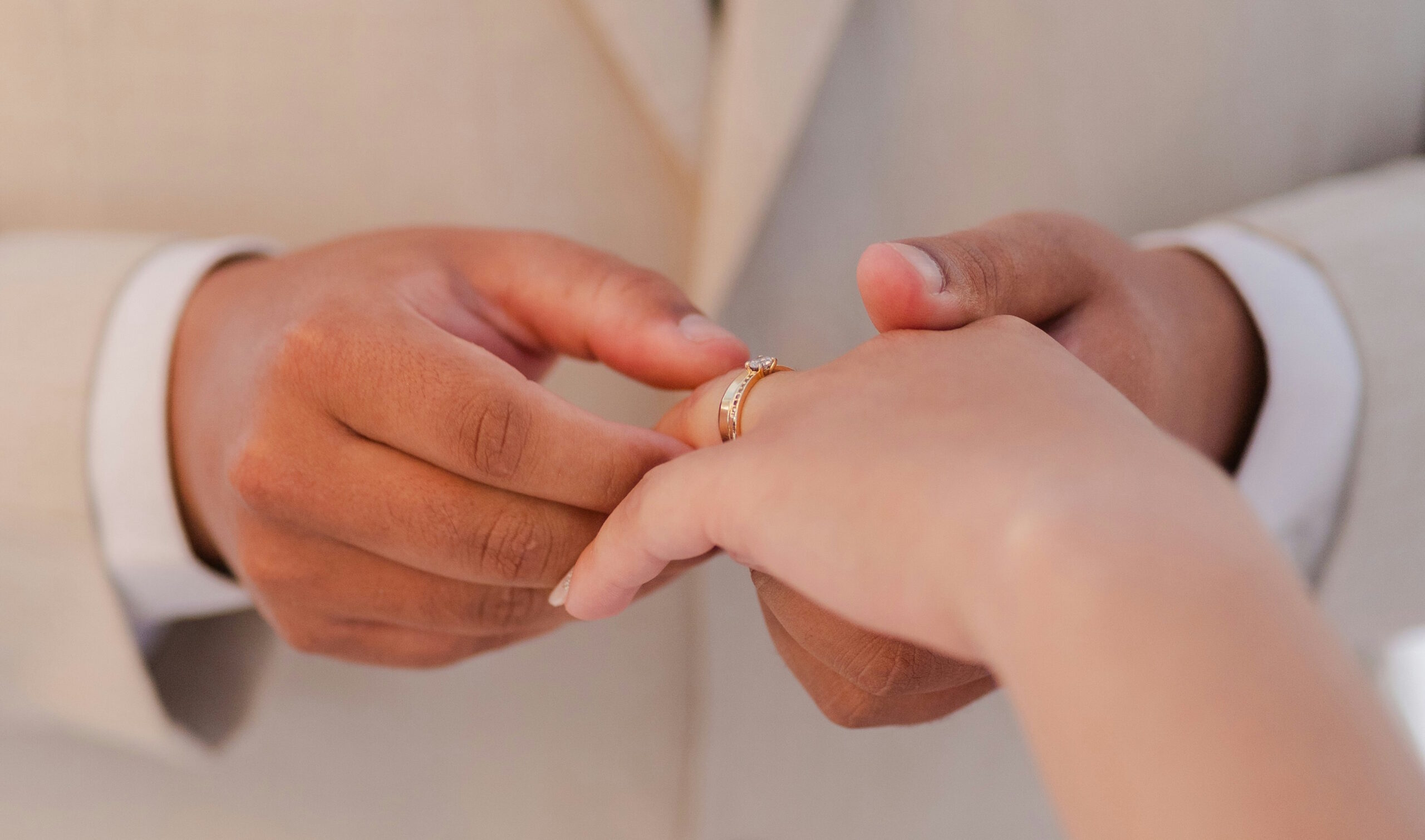
When most people look at a gold wedding ring, they see a symbol of love, commitment, and a future together. What they don’t see is the extraordinary journey that gold may have taken before arriving on their finger.
Unlike most materials, gold can be melted, refined, and reused endlessly without losing any of its purity. As a result, the gold in a modern wedding ring may have lived many previous lives – and some of them could be far more interesting than most people realize.
Your Ring May Contain Thousands of Stories
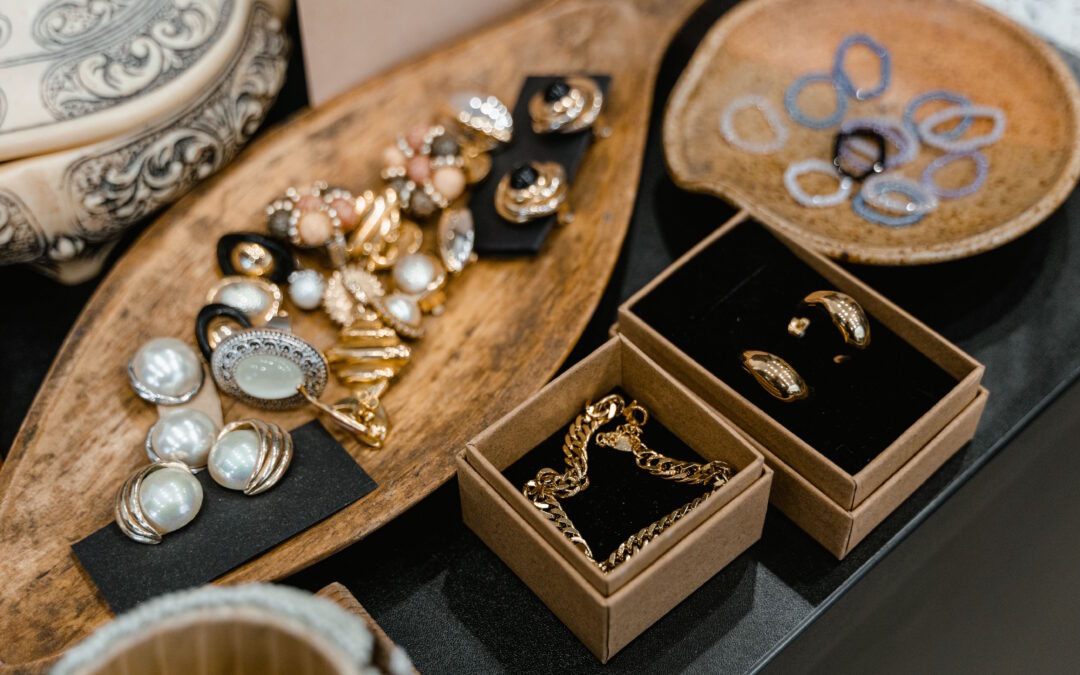
When scrap gold arrives at a refinery, it is combined with material from countless other sources. A single refining batch may contain hundreds or thousands of rings, necklaces, bracelets, coins, watches, medals, and other gold items.
Once melted and refined, there is no way to distinguish one source from another. The gold atoms become part of a larger pool of pure metal that can later be transformed into new jewellery, coins, or bullion products.
This means that a wedding ring purchased today could contain microscopic traces of gold from a grandmother’s engagement ring, a retired athlete’s championship pendant, a commemorative Olympic coin, a luxury watch, or a broken chain sold decades ago.
Gold Has Been on an Incredible Journey
Unlike paper currency, cars, or electronics, gold is rarely discarded. Throughout history, people have continually recycled it into new forms.
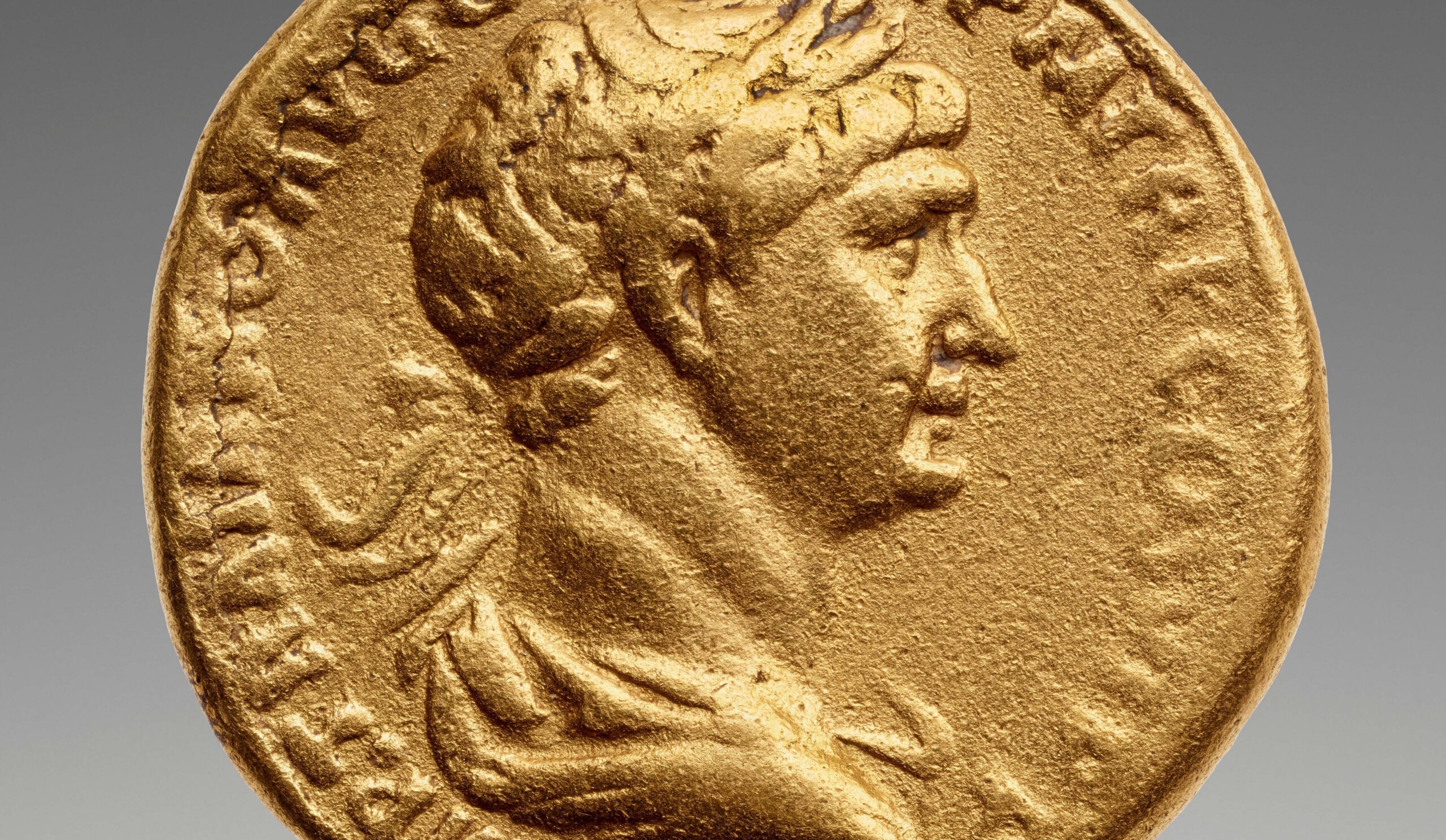
Imagine a gold coin struck during the Roman Empire. It may have been melted centuries later to create medieval jewellery. That jewellery may have been reforged into a Renaissance-era goblet, later melted into a pocket watch, and eventually refined into modern bullion.
While there is no way to trace individual atoms, the concept is entirely possible because gold itself does not wear out. The metal remains unchanged even as the objects around it are transformed.
There Could Be Gold Rush Gold in Your Ring
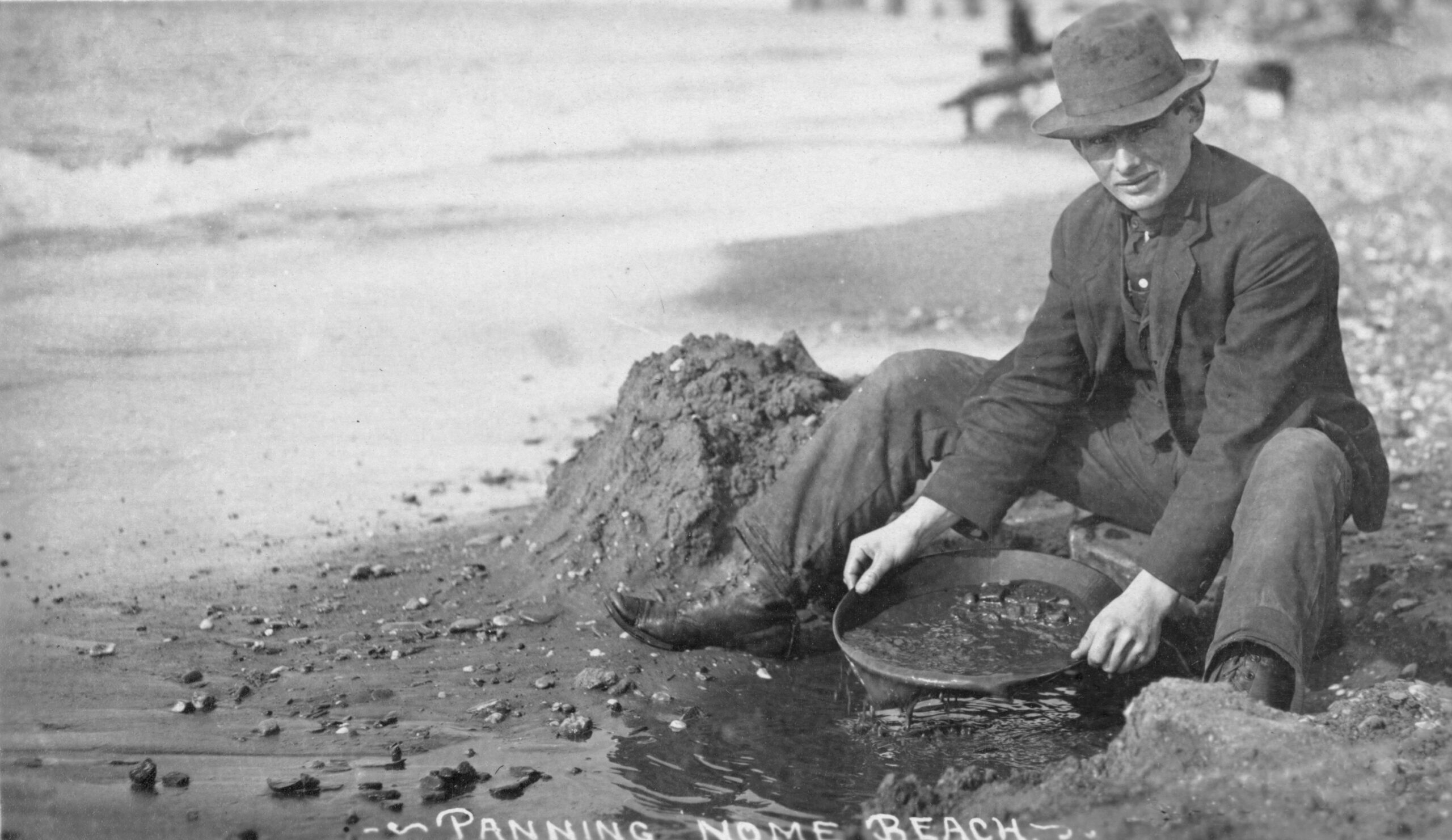
Canada’s own gold rushes helped shape the country’s history. Prospectors travelled thousands of kilometres in search of fortune during the Klondike Gold Rush of the late 1890s, often carrying little more than hope and determination.
Some of the gold recovered during those rushes remains in circulation today. After being turned into coins, jewellery, or bullion, it may have changed hands dozens of times before eventually being recycled into modern products.
A wedding ring purchased in 2026 could theoretically contain traces of gold first pulled from a Yukon riverbed more than 125 years ago.
Gold Has Witnessed History
Because gold survives for centuries, it has often been present during major moments in human history.
The gold in a modern ring may once have formed part of jewellery worn during the Victorian era, a signet ring passed through generations of a family, or a coin that circulated during the First World War.
It may have crossed oceans, survived economic depressions, been hidden in safes, inherited by children, gifted between spouses, or tucked away in forgotten jewellery boxes before eventually returning to the refining cycle.
Nearly All the Gold Ever Mined Still Exists
One of the most remarkable facts about gold is that almost all of the gold ever mined is still with us today.
Unlike oil, natural gas, or coal, gold is not consumed. It is recycled.
Every year, newly mined gold enters the global supply, but recycled gold also plays a major role in meeting demand. The result is that the gold used in a piece of jewellery today is often a blend of newly mined metal and material that has been circulating through human hands for generations.
A Metal That Connects Generations
Perhaps the most fascinating thing about gold is that it creates an invisible connection between people who will never meet.
A single wedding ring could contain traces of a prospector’s nugget, a family heirloom, a vintage pocket watch, a championship ring, an antique brooch, and hundreds of other items that once held meaning for someone else.
Their stories may be lost to time, but the gold remains.
That permanence is one of the reasons gold has been treasured for thousands of years. Long after fashions change and objects are forgotten, the metal itself continues its journey – carrying pieces of history forward into the next generation.